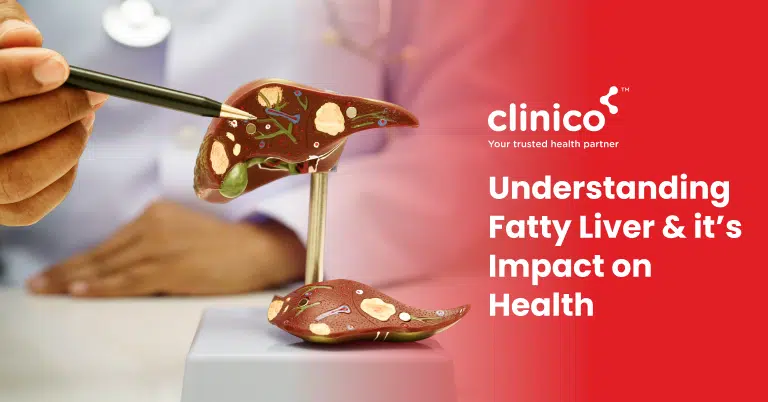
Fatty liver disease is becoming increasingly prevalent. Once associated only with alcohol, this condition is now affecting people in their 20s and 30s regardless of alcohol consumption.
Typically, fatty liver can develop silently over time without noticeable symptoms. If left untreated, it can lead to serious liver complications. This is why routine blood tests for liver function are crucial to ensure everything is fine.
Here, we take a look at the risk factors of fatty liver and how routine monitoring through health checkup packages can support early intervention.
What is Fatty Liver?
Fatty liver disease, or hepatic steatosis, occurs when excess fat accumulates in the liver cells. There are two primary forms:
Non-Alcoholic Fatty Liver Disease (NAFLD):
Often associated with lifestyle-related factors such as obesity, insulin resistance, and poor dietary habits.
Alcoholic Fatty Liver Disease (AFLD):
Caused by excessive alcohol intake over time.
Both conditions can progress to more serious liver diseases, including fibrosis, cirrhosis, or even liver failure. The progression is typically slow but may remain undetected without appropriate screening.
Why Early Detection is Crucial
Fatty liver disease is commonly referred to as a silent condition because many individuals experience no symptoms in the early stages. However, ongoing liver inflammation and fat accumulation can lead to irreversible damage over time.
Regular blood tests for liver function are an effective first step in identifying liver abnormalities early. Liver function tests (LFTs) can reveal elevated enzyme levels such as ALT (alanine aminotransferase) and AST (aspartate aminotransferase), which may indicate liver stress or inflammation even before symptoms appear.
Key Tests for Diagnosing Fatty Liver
Based on your symptoms and medical history, your doctor may advise a combination of tests to assess liver health and diagnose fatty liver. These may include
- Liver Function Test (LFT): Measures enzymes, bilirubin, and protein levels that reflect liver health.
- Ultrasound or FibroScan: Imaging techniques to detect fat content and assess liver stiffness.
Depending on the case, additional screening may also be recommended. Clinico, a top pathology lab in Thane, offers all these tests in affordable health checkup packages using the latest medical guidelines for accurate results.
Risk Factors Contributing to Fatty Liver
Fatty liver can affect individuals of all ages, but certain groups are at higher risk. Testing is particularly advisable for those who:
- Are overweight or obese
- Have type 2 diabetes or high cholesterol
- Consume alcohol regularly
- Have a family history of liver disease
- Lead a sedentary lifestyle
Managing and Reversing Fatty Liver
The positive news is that early-stage fatty liver is often reversible with appropriate lifestyle modifications and medical guidance. Key strategies include:
- A healthy diet comprising vegetables, whole grains, and lean protein.
- At least 30 minutes of moderate exercise 5 days a week.
- A weight loss of even 5–10% can significantly reduce liver fat.
- Limiting or eliminating alcohol intake
Combining these lifestyle changes with periodic monitoring through blood tests for liver function, can help ensure you are on the right track.
Conclusion
Fatty liver disease is a growing concern, but it is manageable, and often reversible, when detected early. Regular screening through health checkup packages plays a crucial role in prevention and early intervention. Visit a reputable pathology lab in Thane to get accurate results for your tests.